
Direct Answer
To operate drones commercially in Karnataka, aspiring pilots should complete professional drone training, understand compliance requirements, develop safe operating skills, and continue practical skill development for real-world missions.
The drone industry in India is growing rapidly. Agriculture spraying, land surveying, inspections, mapping, construction monitoring, and media applications are creating new opportunities for drone pilots and service providers.
As more people enter the industry, one question appears frequently: "How do I get a drone license in Karnataka?"
Whether you want to start a drone spraying business, become a professional pilot, or operate drones commercially, understanding licensing requirements is important.
Why Is Drone Licensing Important?
A drone is not simply a flying device. It is an aircraft system operating within regulated airspace.
- Flight safety
- Airspace awareness
- Regulations
- Emergency procedures
- Risk management
- Responsible operations
Licensing supports safer and more compliant drone usage.
Who Needs Drone Training or Certification?
Requirements depend on purpose of operation, drone category, commercial vs recreational usage, and type of activity performed.
Agriculture Drone Operators
Pilots performing crop spraying and precision agriculture operations.
Survey and Mapping Professionals
Drone use in GIS, land surveys, and infrastructure projects.
Entrepreneurs
Individuals planning commercial drone businesses.
Students and Professionals
People building careers in emerging drone sectors.
Inspection Service Providers
Infrastructure, industrial, and utility inspections.
Steps to Become a Certified Drone Pilot in Karnataka
- Understand your purpose for flyingClarify whether you want agriculture operations, surveys, inspections, commercial services, or a drone business.
- Enroll in professional drone trainingChoose training that includes theory, practical flying, safety, regulations, and mission planning.
- Learn compliance requirementsUnderstand restricted flying zones, operational limits, safety procedures, and applicable regulations.
- Complete required assessments or training requirementsGood programs focus on practical flying, safety, maintenance basics, mission execution, and real-world scenarios.
- Continue skill developmentProfessional pilots keep improving flight planning, equipment handling, operational efficiency, and risk management.
Step 1: Understand Your Purpose for Flying
Your objective influences training needs. Ask yourself whether you are planning to:
- Operate agriculture drones
- Start a commercial service
- Perform surveys
- Work in inspections
- Build a drone business
Step 2: Enroll in Professional Drone Training
Theory Sessions
Drone systems, airspace basics, safety procedures, regulations, and weather considerations.
Practical Flying
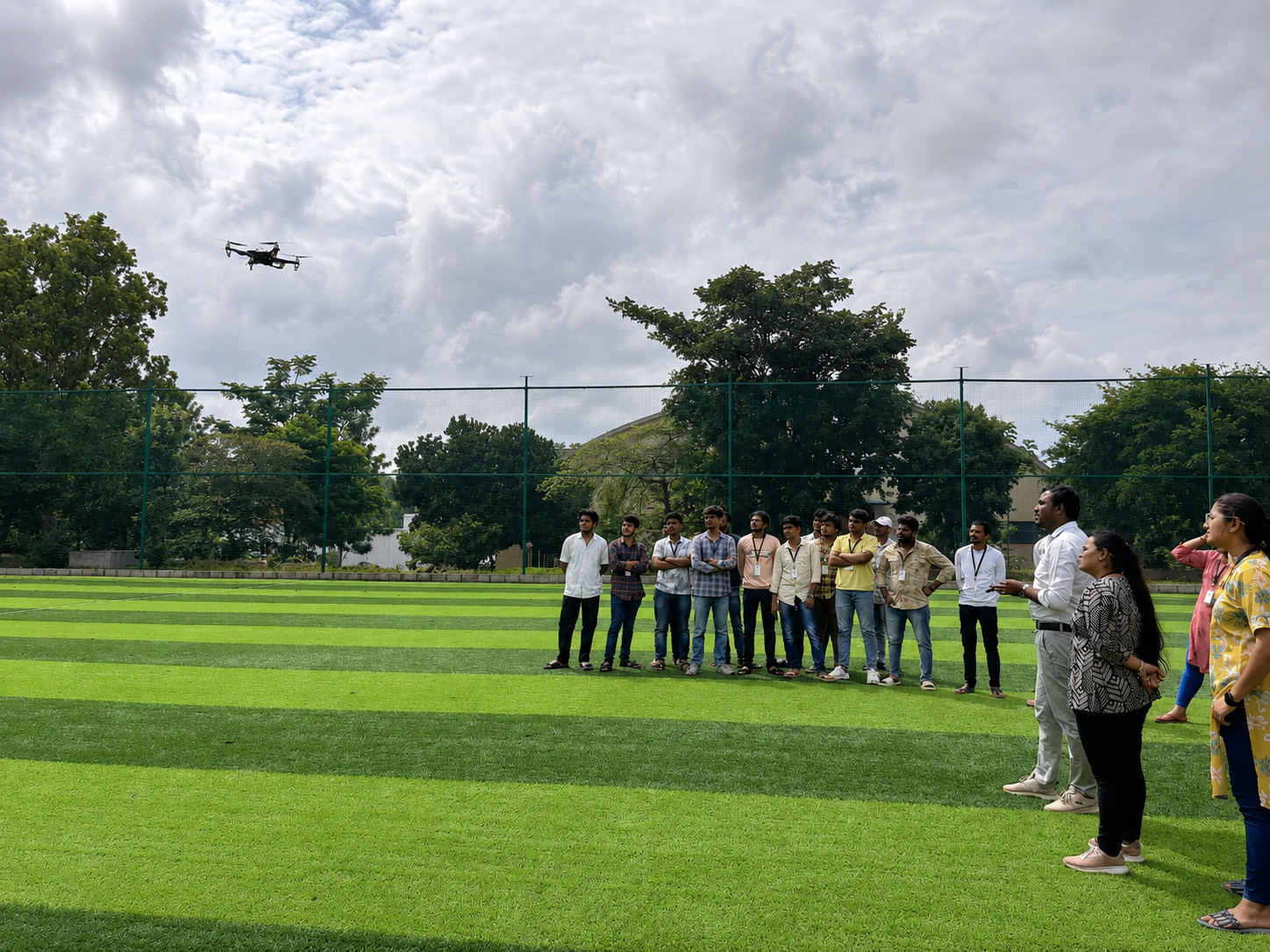
Takeoff and landing, flight control, mission planning, and emergency handling.
Practical exposure is important.
What Is Usually Covered During Drone Pilot Training?
Drone Fundamentals
Understanding hardware and components.
Flight Operations
Safe flying techniques and controls.
Airspace Awareness
Operational limitations and safety considerations.
Weather Interpretation
Wind and environmental conditions affecting flights.
Maintenance Basics
Inspection and routine upkeep.
Emergency Procedures
Responding to unexpected situations.
Agriculture Drone Modules
Specialized agriculture programs may include:
- Spray calibration
- Chemical handling
- Field planning
- Operational safety
Is Drone License Required for Agriculture Drone Operations?
Agriculture drone operations involve additional responsibility because of chemical application and commercial usage.
- Proper training
- Safe practices
- Regulatory awareness
- Operational competence
Professional preparation matters significantly.
Common Mistakes New Drone Operators Make
Beginners often focus only on flying. Professional operators also develop safety procedures, maintenance knowledge, compliance understanding, battery management, and weather assessment.
Can Students Build Careers Through Drone Certification?
Yes. Drone knowledge is creating opportunities in agriculture technology, mapping and surveys, infrastructure inspection, robotics, aerospace sectors, and drone startups.
Career Opportunities After Getting Trained
Agriculture Drone Pilot
Precision farming and spraying services.
Survey Operator
Land and infrastructure projects.
Inspection Specialist
Industrial and utility inspections.
Drone Entrepreneur
Launching service businesses.
Drone Maintenance Technician
Supporting operations and repairs.
Questions to Ask Before Choosing a Training Institute
- Practical flyingHow much practical flying is included?
- Instructor qualityAre instructors experienced?
- Agriculture modulesDoes training include agriculture drones?
- Post-training supportIs support available after training?
- Real exposureAre real projects included?
The quality of exposure matters.
Frequently Asked Questions
Can beginners apply for drone training?
Yes. Many programs start with foundational concepts.
Is agriculture drone training different?
Specialized agriculture operations may require additional practical knowledge.
How long does drone training take?
Duration varies depending on program type and specialization.
Can training help start a drone business?
Many entrepreneurs begin with professional training before entering the industry.
Final Thoughts
Getting a drone license or certification is not only about meeting requirements. It is about becoming a safer, more capable operator.
As drones become increasingly important in agriculture, inspections, mapping, and technology sectors, trained professionals will continue to have growing opportunities.
For anyone planning to build a career or business around drones, investing in practical training, safety awareness, and operational knowledge is often more valuable than focusing only on certification.
Looking for drone training or agriculture drone learning opportunities in Karnataka?